


Dr. Flavian Zeija was sworn in as Uganda’s new Chief Justice on January 24, 2026, at President Yoweri Museveni’s country home in Kisozi. In his maiden address, Zeija emphasized efficiency, accountability, and timely resolution of cases, and pledged to uphold judicial independence and professionalism. He also highlighted plans to adapt to global technological developments, including training judges in artificial intelligence.
Zeija, who previously served as Deputy Chief Justice, brings over 25 years of legal experience to the role. His appointment comes amid expectations for the Judiciary to improve efficiency, integrity, and impartiality in handling national matters.
Would you like to know more about Chief Justice Zeija’s reform agenda or his plans for the Judiciary?
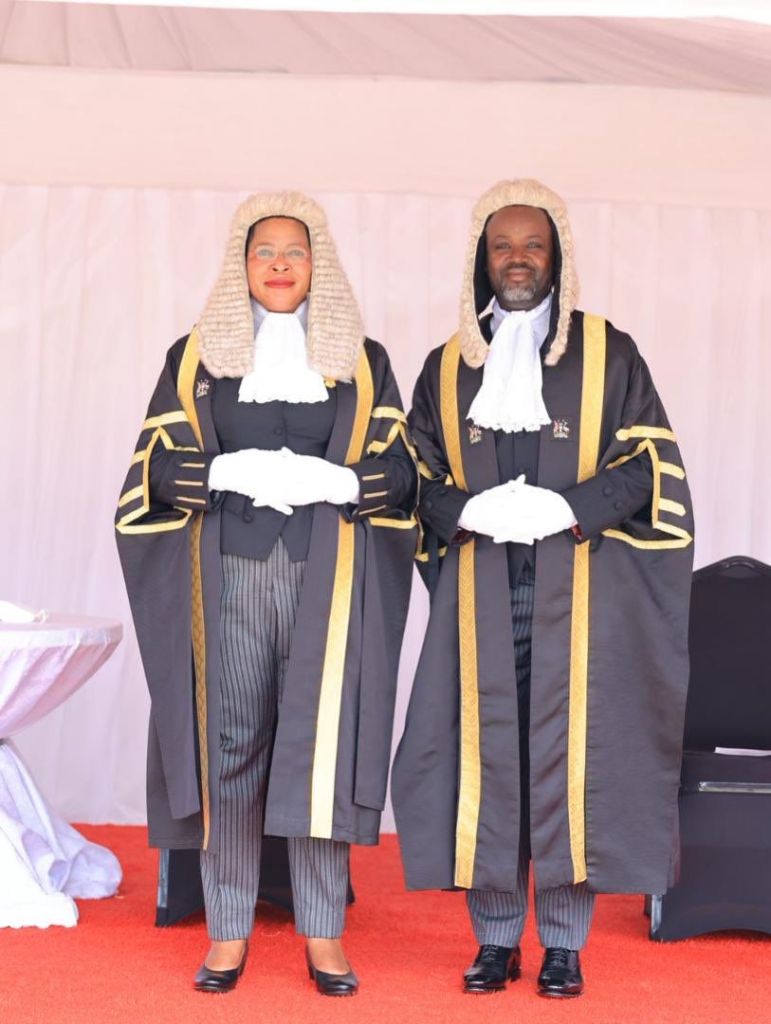
JUST IN: NRM Central Executive Committee yesterday endorsed Rt. Hon. Annet Anitah Among for Speaker of the 12th Parliament and Rt. Hon. Thomas Tayebwa for Deputy Speaker.

The Uganda Wildlife Authority (UWA) is seeking UGX10 Billion to purchase a helicopter to be used to monitor national parks, rescue animals and quick transportation of veterinary doctors to treat animals injured in the wild.
This amount was questioned by Members of Parliament (MP) processing the matter to MPs to question if the said amount includes funds for the chopper’s maintenance.
The revelation was made by Dorcus Rukundo Twesigomwe, Business Development Manager, Uganda Wildlife Authority (UWA) on 27th January 2026, while appearing before Parliament’s Committee on Tourism, during the consideration of the Tourism sector’s 2026/27 National Budget Framework Paper (NBFP).
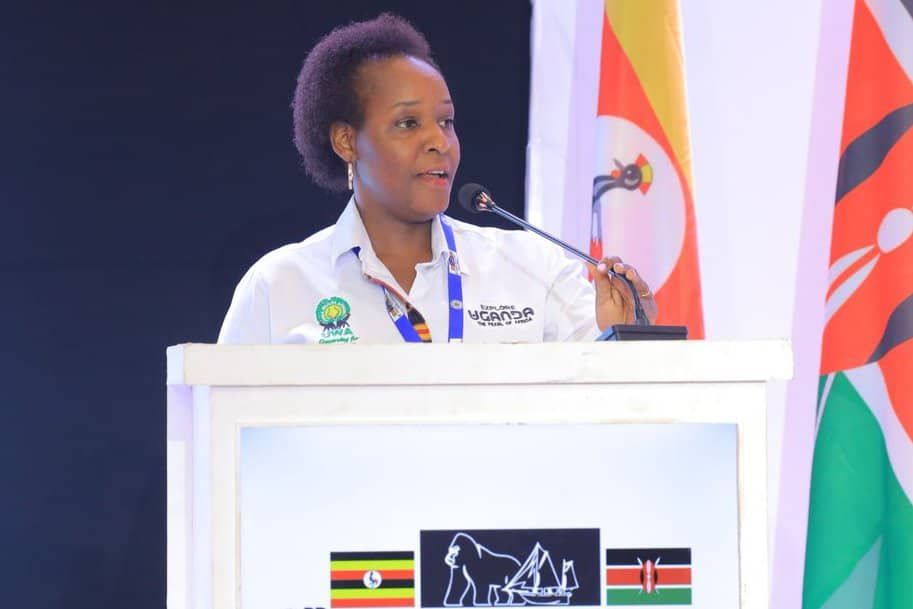
Her remarks were in response to questions raised by Sylvia Nayebare (Gomba Woman MP) and David Kalwanga (Busujju County) who sought a breakdown of the cost and the purpose of the chopper.
Rukundo defended the planned purchase saying, “Sometimes we have animals that have been attacked or have been snapped by the poachers and we want to rescue, to help these animals. So, we take the doctors there to help and administer some treatments to the animals.”
She added “And then also the helicopter helps us in ecological monitoring to see where the invasives are, because the areas are vast. So sometimes we can’t do this on land and we have to do it in air, and sometimes we use it to do the census that we conduct every year, the census that we conduct every year in our different parks.

The discussion followed the presentation by UWA on how the UGX240 Billion allocated in the budget will be spent where the Authority noted that UGX92 Billion will be spent on; salaries, social security, medical and burial expenses, while UGX42 Billion would be spent on rent, utilities, insurance, fuel, ICT.
The proposal by UWA to spend UGX30 Billion on construction of electric fences at Murchison Falls National Park and Queen Elizabeth National Park, while setting aside UGX10 Billion to compensate human to wildlife victims generated most debate in the Committee with MPs describing the allocation as meagre given the huge demand for these services.

Although Charles Okello (Nwoya East) commended UWA for the construction of the 10Km electric fence along Murchison Falls National Park, he called for the need to have the project expanded across the National park, as this will result into reduction of cost of compensation.
“I must report that the 10 kilometres of electric fence that was done in my constituency has made communities around that area rest. However, nearly 31kilometres remain in very hot spots, because 10Km is already covered, it makes the 31Km more vulnerable. And I must report to you that since the time we met last year, we’ve lost eight people to marauding elephants,
Okello defended his proposal arguing that by completing the fence, UWA will reduce on the compensation noting, “Since we don’t even have the money for compensation, it is mathematical. Just to say, if you revert the UGX3 Billion for compensation to electric fence, you are doing nearly the same thing.
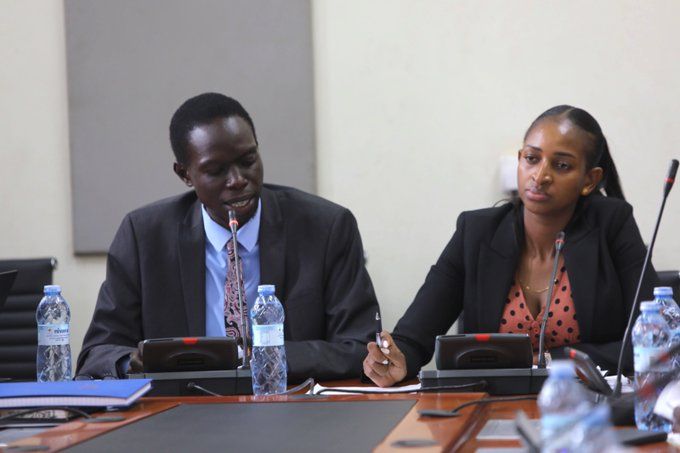
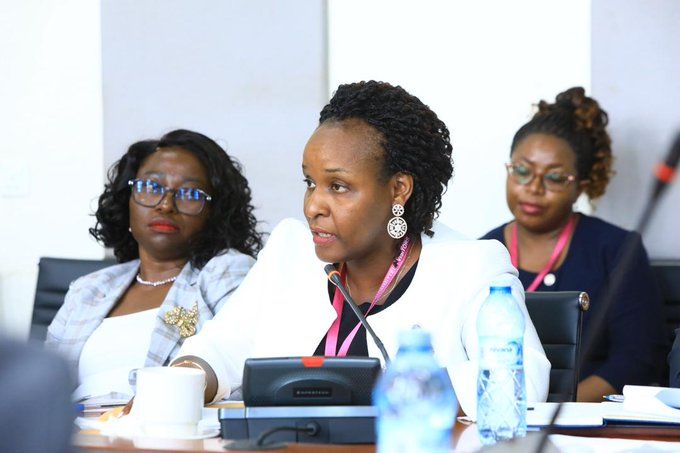
Rukundo assured the Committee that all the protected areas will be fenced explaining, “Most of those hot spots are going to be fenced, and when we have, we think the claims will be reduced. And when the claims are reduced, this budget will be sufficient to take us through the next financial year.
However, the Chairperson of the Committee on Tourism, Nayebare was forced to ask the technical team from the Ministry of Tourism to step out of the Committee to correct figures on the document submitted after Boniface Okot (Youth MP-Northern Region) pointed out 11 discrepancies in the figures submitted by the Ministry of Tourism, Wildlife and Antiquities.
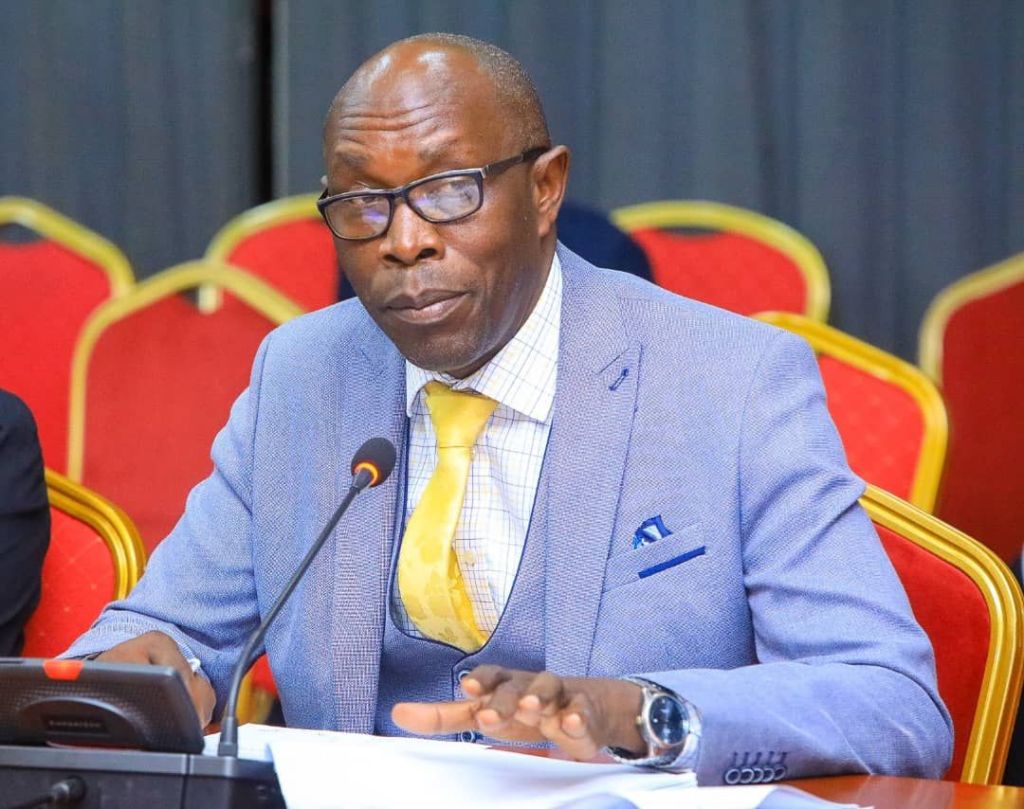
Ruyonga, however, wondered how the digitisation of Uganda’s healthcare system will affect foreign nationals like South Sudan, Democratic Republic of Congo (DRC), who seek health services from health centres located along border districts.
“The problem of the border facilities, like those that border northern Uganda, I mean Sudan, we get many patients from Sudan who come and get treatment from Uganda, and they use most of our drugs, so I think when we introduce this, maybe, I don’t know if we can be able to handle that.
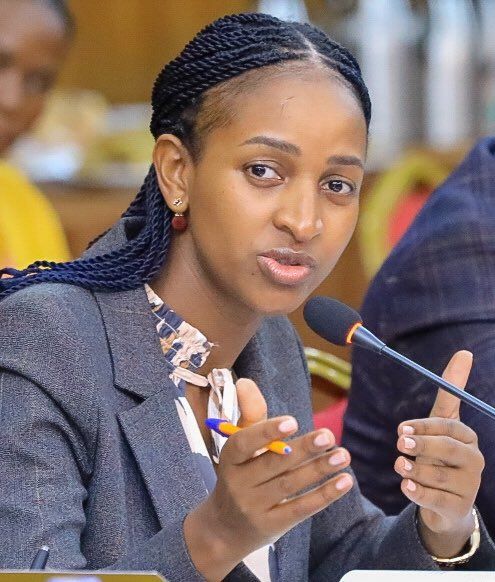
Sylvia Nayebare (Gomba Woman MP) backed the proposal to digitize Uganda’s health system as it will improve transparency on usage of drugs in hospitals.
“I would personally support them because having a database and a system, it is the backbone and when you have the drugs in the hospitals, because you cannot know how many patients got malaria this year, how many patients, how many children need to be vaccinated or immunized, whatever the case.
She added “So, they need the database in place, whether they get in touch with these other mother institutions or not, they really need it as health.
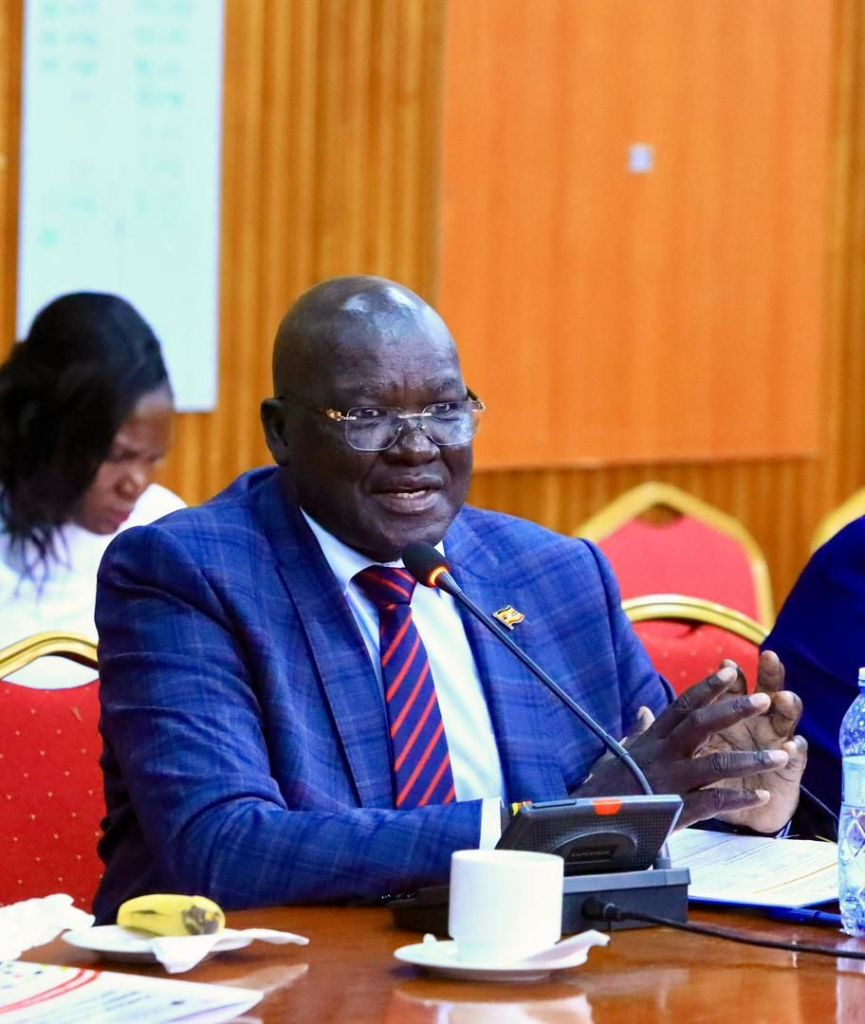
What is our overall strategy as a country on digitization of our systems? You know, we have been talking about payment systems only, we are talking about data, now, we are talking about using systems as a management tool because drugs are being stolen big time across the country.
He added “And so, if they are talking about finding a system that would digitize the operations of hospitals, on which backdrop would it happen? A ministry wakes up and said, we will digitize, we will get our own systems, we will procure separately from a governmental system. I don’t know how the government is functioning.
Paul Omara (Otuke County) also weighed into the debate, demanding for the presentation of the overall digitisation strategy for Uganda, as many sectors have proposed the digitisation process, but Parliament isn’t aware of the strategy informing the policy shift.

We need a strategy. The committee must interrogate that. What is the strategy and the rollout? Is it across the country? Is it selected regional hospitals? I think, doctor, you will inquire into that more as we go.
He added “What I want to know is, the first thing I ask is, what is the strategy? It is UGX32.5 billion it is to roll out to every health centre, and you know digitization is not just wires. It’s about network.
In his submission, Ruyonga said “Digitization of hospitals, we need UGX32.5 billion for hospital management systems.”
This prompted Achia Remigio, the Vice Chairperson, Budget Committee, to demand that the Ministry of Health present the health sector strategy on the digitisation of public hospitals before the funds are approved.
The Ministry of Health is requesting for UGX32.5 Billion to digitize the main health facilities in Uganda, in order to curb on the vice of theft of drugs and medical equipment by staff and medical workers in public hospitals.
The request was made by Joseph Ruyonga, Chairperson Parliament’s Health Committee while appearing before the Budget Committee on 28th January 2026, to present the health sector report for the 2026/27 National Budget Framework Paper.

The presentation of the Annual Audit Reports by the Auditor General Edward Akol to the Speaker of Parliament Anita Among is scheduled to happen today 29th January, 2026 at 12:00pm at Parliament, the Directorate of Communication and Public Affairs has said.

The 10 UPDF MPs are as shared below.
Lt Gen Sam Okiding, D/CDF & IG
Lt Gen Sam Kavuma, Dep Coord OWC
Lt Gen James Mugira, MD NEC
Maj Gen Henry Masiko, Joint Staff Political Commissar
Maj Gen James Kinalwa, Joint Staff HRM
Maj Gen Joseph Ssemwanga, Dep Comd Land Forces
Brig Gen David Gonyi, Chief of Staff Airforce
Col Night Ikiriza (female), SFC
Col Sylvia Meeme (female), Military Police
Col Christine Nekesa (female), Airforce.

The Uganda Peoples’ Defence Forces (UPDF) has elected 10 representatives who will legislate on behalf of the army throughout the next five-year-period of the 12th Parliament that will commence in May 2026.
The announcement of the election exercise chaired by the Commander-in-Chief (CIC) President Yoweri K Museveni that was held the headquarters of the Land Forces in Bombo, Luweero District was shared by the Force’s spokesperson Chris Magezi on Wednesday night.
“The Uganda Peoples’ Defence Forces through its Defence Forces Council electoral college has today elected the 10 military representatives for the upcoming term of parliament from 2026 – 2031,” Magezi said in an announcement made public through his microblogging X account.
He added “The UPDF, in accordance with the Constitution and the Parliamentary Elections Act is one of the special interest groups represented in the parliament of Uganda. The others are: district or city women representatives, workers representatives, youth representatives, and persons with disabilities.
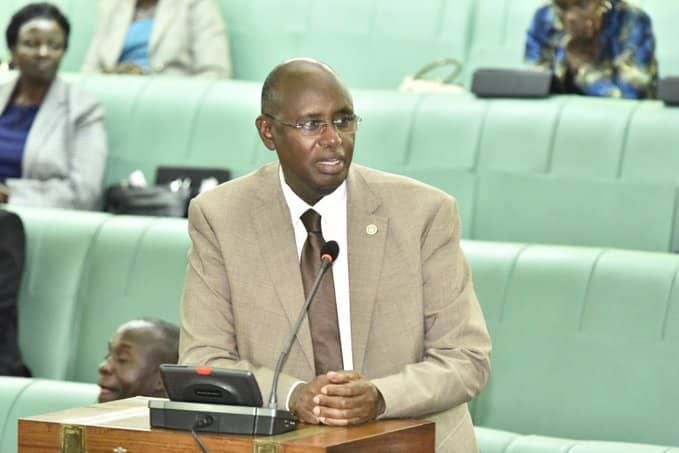
The Ministry of Agriculture is seeking for UGX17 Billion to establish and renovate piggery and chicken breeding infrastructure on Government ranches in a move geared towards increasing pork and chicken production in Uganda.
The request was made by Bright Rwamirama, Minister of State for Animal Husbandry, while appearing before Parliament’s Committee on Agriculture, to present the Ministry’s 2026/27 National Budget Framework Paper.
“Establish and renovate livestock breeding and production, support infrastructure on government farms and ranches. Focus will be on piggery, poultry structures, support rapid breeding and production of high-performing piggery and poultry breeds,” Rwamirama told MPs.
He added “Ministry of Agriculture effort will be establishing livestock breeding, paddocks, spray races, intensive direct control, sheds, valley tanks, among others. The estimate here is about UGX17 billion.

Church Hill Ssentamu follows his father
(Fred Nyanzi Ssentamu ) and his uncle
Bobi Wine (Kyagulanyi Robert Ssentamu) in failing.
He was severely defeated in the Central Uganda youth MP race
SSENTAMU FAMILY IS DOING WELL IN WEALTH AND MUSIC BUT IN POLITICS THEY ARE BECOMING FAILURES
He only shined at Makerere

As Speaker of Parliament, Rt Hon Anita Among has come to appreciate that true leadership is not measured in moments of comfort, applause, or ease but in moments of responsibility and careful decision-making. When opinions differ sharply and emotions run high, it is the duty of the Chair to remain calm, grounded, and faithful to the Constitution and the rules that guide her work.
In these moments,she is continually reminded that Parliament must always be guided by order, respect, and the collective good of our nation. Leadership calls for patience, for listening with an open heart, and for ensuring that every voice is treated with dignity. It is through steady judgment, fairness, and thoughtful guidance that the House continues to serve the people of Uganda with honour and purpose.
Rt hon Anita believes that the strength of Parliament lies not in loud debates but in the quiet discipline, the measured decisions, and the commitment to unity that allow our institutions to endure for generations.

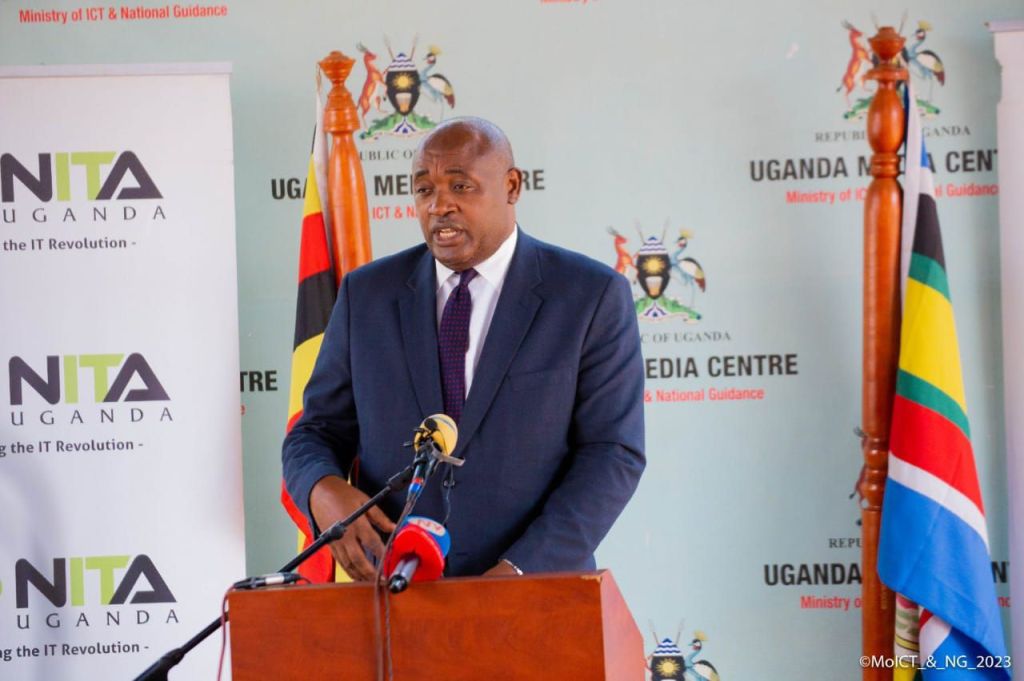
The Ministry of ICT and National Guidance is seeking for UGX45 Billion to rollout the automation of the Parish Development Model (PDM) and Smart City project that will rid cities and towns in Uganda of the fibre cable wires and polls installed by telecom companies.
The request was made by Iddi Isabirye, Vice Chairperson, Parliament’s Committee on ICT, while appearing before the Budget Committee on 28th January 2026, to present his committee’s report of the 2026/27 National Budget Framework Paper for the digital transformation programme.
The Committee was informed that the Ministry has a plan to further automate and roll out electronic government services, including PDM and smart city solutions, and the requirement for this financial year 2026-2027 is UGX45 Billion.
He added, “However, only UGX34 billion has been allocated, leaving a funding gap of UGX11 Billion.
However, Paul Omara (Otuke County) wondered the need to spend more money on automation of the PDM, yet there is an app in place “WENDI” where these funds are transacted.
We have had this thing called WENDI. You know, WENDI, I think that is the PDM payment platform, isn’t it? Yes. And it has already been rolled out, and I think it is functioning well.
He added, “So, when you say that the committee recommends that UGX11 Billion be provided to enable government to automate PDM and facilitate smart city solutions and other e-government services, maybe you would expound more.
 Bantu MEDIA